Published on April 17, 2025 at 03:10 PM
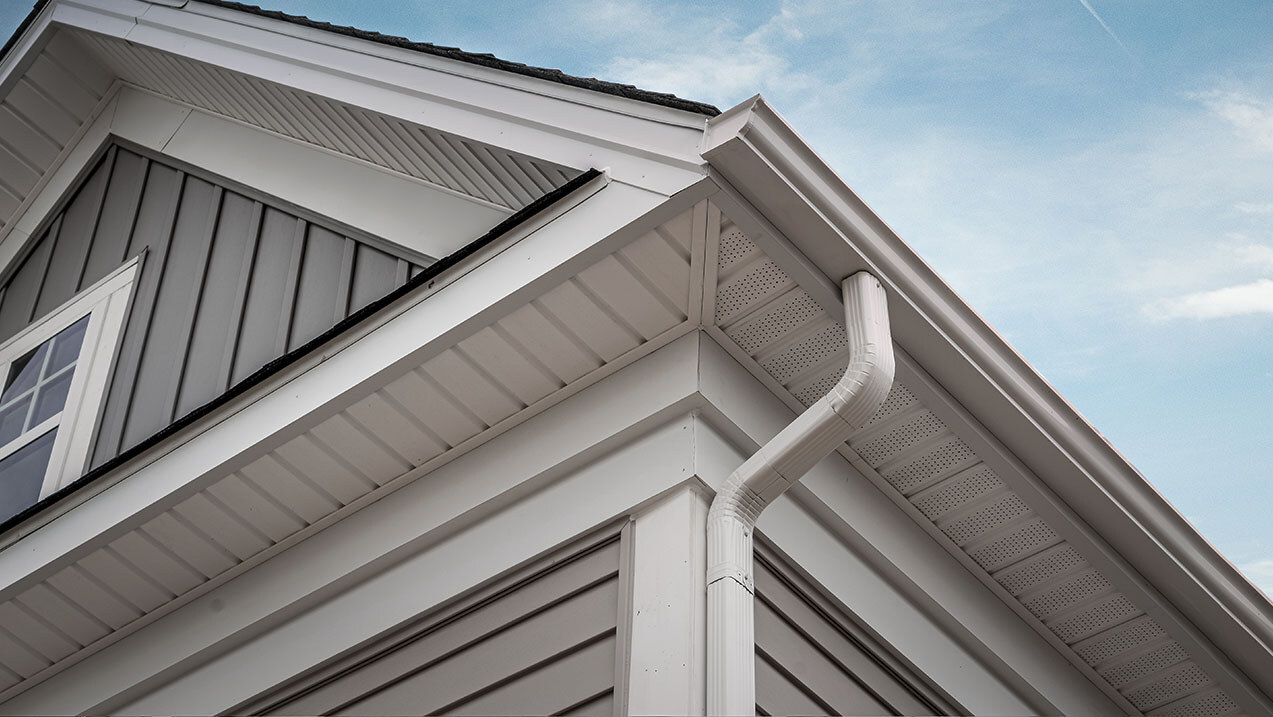
In Québec, where the weather fluctuates dramatically, it's essential to have durable exterior installations. Without gutters, you risk water infiltration. Without soffits and fascia boards, moisture and mold may build up in the attic. Understanding these three components is key to protecting your home and integrating them effectively.
What’s the Main Role of Gutters?
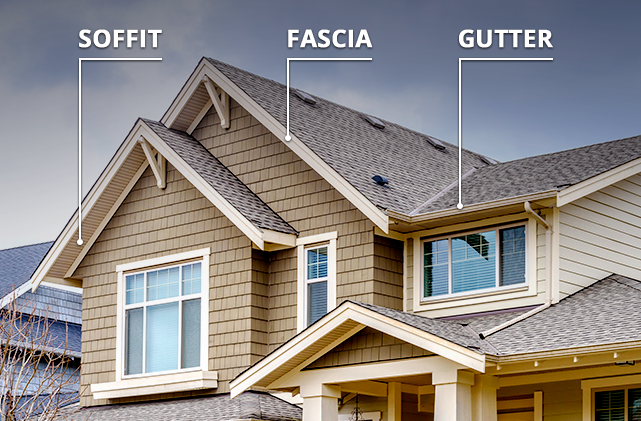
Gutters redirect rain and melting snow away from your roof and foundation. By channeling water efficiently, they help prevent problems like foundation cracks and mold growth caused by water infiltration.
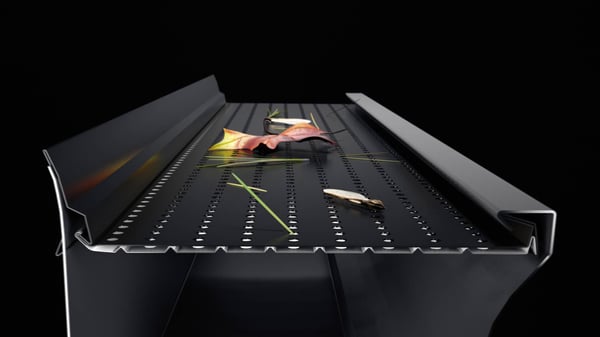
Clogged gutters, however, can quickly overflow and stop doing their job. That’s why it’s important to keep them clear or opt for a protective solution. The T-Rex® Continuous Hanger™ from Alu-Rex is made of aluminum and includes built-in gutter protection. It strengthens the system, keeps it free of debris, and protects it from snow and ice—ensuring optimal performance year-round.
What Is a Soffit?
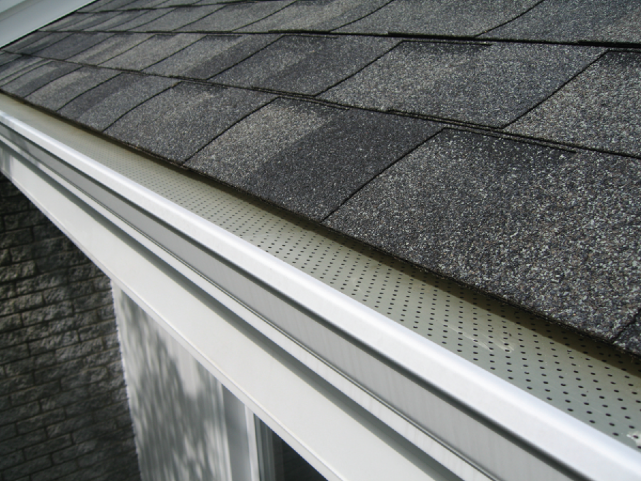
Installed underneath the roof overhang and just below the gutter, the soffit is a ventilated aluminum panel that plays a key role in attic airflow. Soffits allow fresh air into the attic while keeping out water, snow, and insects. This airflow helps regulate attic temperature and prevents moisture buildup and mold formation.
Soffits also reduce the risk of ice dams in winter by allowing proper ventilation. Available in vinyl or aluminum, soffits made of aluminum are more durable and weather-resistant.
What Is the Fascia For?
The fascia is the vertical board installed at the edge of the roof, where the gutter is mounted. Painted to match the home's exterior, it provides a clean, finished look. But its function is more than aesthetic—it seals the space between the roof and soffit, preventing debris, rain, and snow from infiltrating the roof structure.
Fascia boards are usually made of aluminum, which offers superior resistance to weather compared to wood or vinyl.
A Complementary System for a Protected Home
Gutters, soffits, and fascia work together to shield your home from water damage and deterioration. While optional, these systems are affordable, easy to install, and highly effective. Installing them now can help you avoid costly repairs later.

.png?width=600&name=Capture%20d%E2%80%99%C3%A9cran%2c%20le%202025-08-06%20%C3%A0%2015.10.44%20(2).png)